
What a Professional Deck Contract Should Include
(Seattle, Bellevue, Sammamish & Washington State Guide) Building a deck is a structural construction project — not a casual home improvement. In Washington State, especially in moisture-heavy regions like Seattle, Bellevue, and Sammamish, deck failures often result from poor design, improper installation, or incomplete contracts. A professional deck contract protects both the homeowner and the contractor. It defines scope, responsibilities, materials, timelines, inspections, and payment terms. Without a clear contract, misunderstandings and costly disputes become far more likely. This guide explains what a professional deck contract should include — and what red flags to avoid.
DECK EXPERT TIPS:
Redrra
2/23/20264 min read
Why a Deck Contract Matters More in the PNW
Western Washington decks are exposed to:
• Constant rainfall
• Seasonal freeze and thaw
• Heavy moisture near home attachments
• Structural load from gatherings and snow
• Seismic movement
Decks are not cosmetic add-ons. They are structural systems attached to your home.
As stated in the referenced deck safety material:
“A deck is a system consisting of many parts, each of which can affect the other. A footing that is too small, or that is placed on poor soil, can sink. This sinking footing can cause the post to lower, which can cause the beam to lower, which can pull the joists away from the deck ledger, causing the deck to collapse.”
This is exactly why your contract must define structural responsibility clearly.
1. Clear Scope of Work
A professional contract must define:
• Deck size and layout
• Height and elevation
• Stairs and landings
• Guardrail system
• Materials used
• Demolition (if applicable)
• Cleanup and disposal
• Permit handling
The contract should not say “build deck per discussion.”
It should specify components such as:
Deck floor joists
Deck ledger
Joist hangers
Rim joist
Beam
Post
Post base
Footing
Guard post
Baluster
Handrail
Stringer
Tread
Riser
Landing
“Decking (floor boards): Decking is the horizontal component upon which you walk. It is usually made from wood, such as 5/4 x 6 and 2 x 6. Decking may be made from wood, wood composite materials, plastic, and metal.”
“Joist (floor joist, deck joist): A joist is a horizontal structural member that supports the decking and provides the deck with some structural stability.”
Your contract should clearly state which material is used for decking and framing.
2. Structural Attachment & Ledger Details
Ledger attachment is one of the most critical safety points.
“Ledger (deck ledger): (1) A ledger is a horizontal structural member (usually a 2 x 8 or 2 x 10) that is attached to the house; the deck joists are attached to the ledger.”
Improper ledger installation is one of the most common causes of deck collapse.
Your contract should define:
• How the ledger attaches
• Fastener type and spacing
• Flashing installation
• Waterproofing method
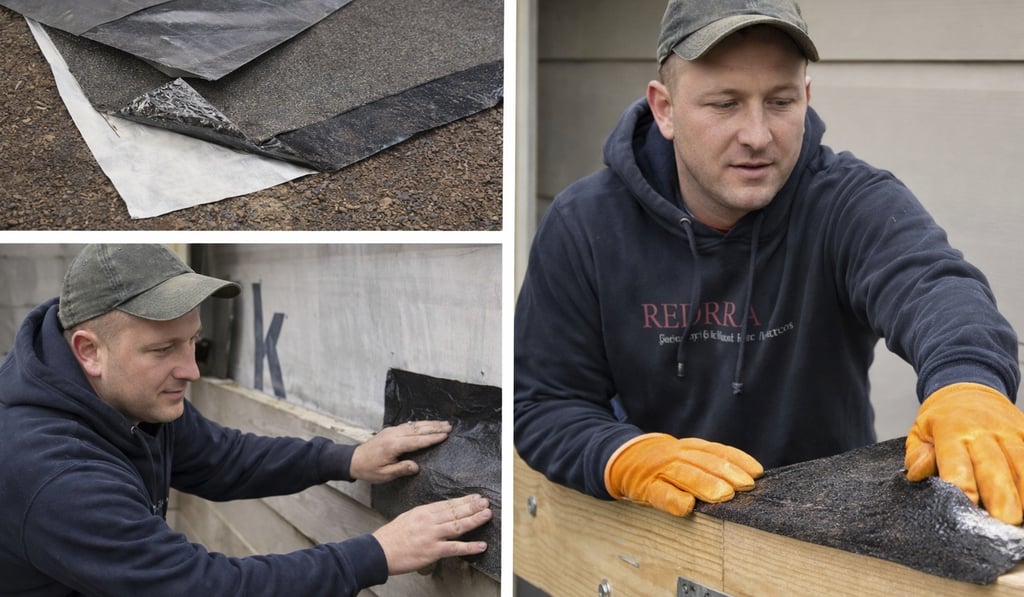
“Flashing: Flashing is a thin, flexible piece of metal, plastic, flexible polymer fabric, or similar material that does not allow water to pass through it. Flashing should be placed between the deck and the house.”
The contract must specify flashing — not just “attach deck to house.”
3. Footings and Post Bases
A professional contract must state:
• Footing size
• Depth (below frost depth)
• Concrete specification
• Post base connectors
“Footing (footer): A footing is a structural component that transfers the deck loads from the deck post to the soil. The bottom of the footing should be below the local frost depth.”
“Post base: A post base is a manufactured component (a connector) that secures the deck support post to the footing so that the post does not move.”
In Washington State, frost depth and soil conditions matter. This must be defined.
4. Guardrails and Safety Requirements
Deck collapses and railing failures cause serious injuries.
“Guard (guardrail, stair guard): A guard is a vertical component located around the deck perimeter to keep people from falling off the deck.”
“Guard post: A guard post is the part of a guard that provides the primary resistance to loads that try to move the guard.”
Your contract should specify:
• Guard height
• Post attachment method
• Baluster spacing
• Handrail details
• Stair configuration
“Tread (step, stair tread): A tread is the horizontal part of a stairway on which you step.”
“Riser: A riser is the vertical part of a stairway.”
These are not minor details — they are safety components.
5. Load and Movement Considerations
Decks move.
“Decks can move in any direction.”
“Gravity exerts a downward force on the deck.”
“Lateral loads are caused in several ways. People can cause lateral loads, especially if they are moving in unison.”
A professional contract should state:
• Lateral load connectors
• Bracing
• Structural reinforcement
• Load assumptions
“Lateral load connector (hold-down tension device, tension tie): A lateral load connector is a manufactured structural component that connects the deck to the house to resist forces that pull the deck away from the house.”
This must be defined in a Washington State deck contract.
6. Payment Schedule
A professional contract should include:
• Deposit amount
• Progress payment milestones
• Final payment after inspection
• Change order policy
Red flag: full payment upfront.
7. Timeline and Inspection Handling
The contract must define:
• Permit responsibility
• Inspection scheduling
• Estimated start date
• Weather contingencies
In Seattle, Bellevue, and Sammamish, inspections are required for most structural decks.
8. Warranty Terms
The contract should define:
• Workmanship warranty
• Material manufacturer warranties
• Exclusions
• Maintenance expectations
Wood and composite decks require different maintenance expectations.
Common Red Flags in Deck Contracts
• No structural details
• No mention of flashing
• No mention of footings
• Vague material description
• No permit reference
• No lateral load connectors
Remember:
“A deck is a system consisting of many parts, each of which can affect the other.”
If the contract ignores the system — that is a warning sign.
If You Are Comparing Contractors
You may also want to read:
How to Choose the Right Deck Contractor
Common Deck Building Mistakes (And How to Avoid Them)
Wood vs. Composite Decking: What’s Better for the PNW Climate?
https://redrra.com/wood-vs-composite-decking-whats-better-for-the-pnw-climate
Questions Homeowners Ask ChatGPT Before Signing a Deck Contract
Below are real-world style prompts homeowners use when researching.
You can embed these into your website.
Prompt 1
“What should a deck construction contract include in Washington State?”
Prompt 2
“How do I know if my deck contract is missing structural details?”
Prompt 3
“Does a deck contract need to mention flashing and ledger attachment?”
Prompt 4
“Should footings and post bases be specified in writing?”
Prompt 5
“What are red flags in a deck builder contract?”
Q: Should a deck contract include structural details?
A: Yes. A professional contract should reference ledger attachment, flashing, footings, post bases, guardrails, and connectors.
Q: Why is flashing important in a deck contract?
A: Flashing prevents water intrusion where the deck connects to the home. Without it, moisture damage can compromise structural integrity.
Q: Is it normal for a deck contract to include permit handling?
A: Yes. Most professional contractors handle permitting and inspections.
Q: Should footings be below frost depth in Washington?
A: Yes. Footings should be placed below local frost depth to prevent movement from freeze-thaw cycles.
Q: What happens if a contract is vague?
A: Vague contracts increase risk of disputes, inspection failures, and costly corrections.
Final Takeaway
A professional deck contract is not paperwork — it is structural documentation.
In Seattle, Bellevue, Sammamish, and throughout Washington State, decks must be built as engineered systems. Every component — footing, post, beam, joist, ledger, flashing, guard, stair — plays a role.
If the contract does not reflect that system, it does not protect you.
Your Home, Your Vision, Our Expertise.
Transforming Spaces with Unmatched Craftsmanship
© 2025. All rights reserved.
Proudly Serving Seattle & King County
Bellevue
Redmond
Bothell
Renton
Issaquah
Sammamish
Kenmore
Seattle
Kirkland
Shoreline
Mercer Island
Woodinville
Newcastle
…and many more across King County!